
Back to all postsNews
Apple May Introduce Usage Limits for Siri AI Features
John
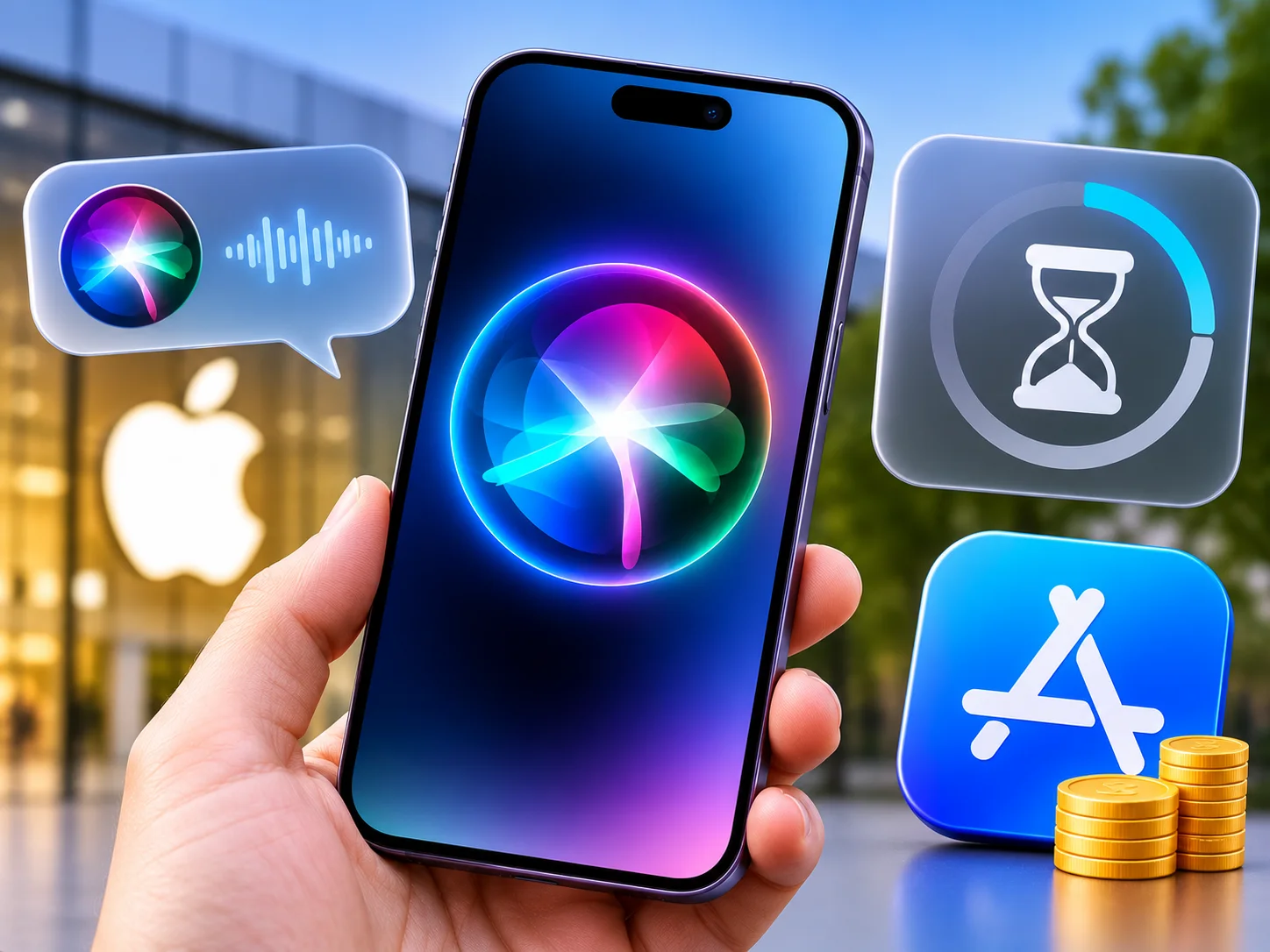
Apple is preparing to introduce usage limits for some of its upcoming Siri AI features, potentially changing how customers access the company's next generation of artificial intelligence tools.
During Apple's fiscal fourth-quarter 2026 earnings call on November 2, CEO John Ternus confirmed that certain features relying on server-side AI models will have usage limits. Users who need additional capacity will eventually be able to purchase expanded access.
The announcement suggests that Apple is exploring a new approach to managing the cost of its AI services while continuing to expand Apple Intelligence across its devices.
Apple Confirms Usage Limits for Cloud-Based AI Features
Ternus discussed the planned restrictions while answering a question about iCloud+ and the potential to generate revenue from Apple Intelligence. He explained that some features relying on server-side models, including Siri AI and intelligent photo editing, will have usage limits. Customers who need more capacity will be able to purchase expanded access in the future.
Apple has not announced how many requests users will receive each day, how much additional access will cost, or exactly when the paid option will become available. The restrictions are expected to focus on features that require Apple's cloud computing infrastructure rather than tasks handled entirely on a user's device.
Which Apple Intelligence Features Could Be Limited?
Siri AI is expected to be one of the most prominent features affected by the new limits. Apple's next-generation assistant uses a combination of on-device processing and cloud-based models to handle more complex requests. Other advanced Apple Intelligence features could also be included, particularly those involving AI-powered photo editing and image generation.
Features that require significant server resources may be more expensive for Apple to operate, especially as adoption increases. However, the company has not provided a complete list of the features that will be subject to usage restrictions. The exact limits may also vary depending on the feature, request complexity, and demand on Apple's servers.
On-Device AI Features May Remain Unaffected
One important distinction is that Apple's planned restrictions concern features that rely on server-side models. AI tasks processed directly on an iPhone, iPad, or Mac are not expected to be covered by these cloud usage limits.
Apple CFO Kevan Parekh explained during the earnings call that on-device processing is highly efficient and does not carry the same inference costs as server-based AI requests. More complex tasks, however, may need to be processed through Apple's Private Cloud Compute infrastructure. Those requests require additional computing resources, creating operating costs for the company.
This distinction could allow Apple to keep everyday AI features accessible while placing limits on more resource-intensive services.
Apple Wants to Monetize Its Growing AI Investment
The decision to introduce usage limits could also create a new revenue opportunity for Apple's Services business.
Apple already offers iCloud+ subscriptions with additional storage and other benefits. Expanded access to advanced AI features could eventually become another reason for customers to subscribe to a higher-tier plan or pay for additional capacity. Ternus did not confirm whether expanded AI access would be included in existing iCloud+ plans or offered as a separate purchase.
The company is also facing rising costs as it expands its AI infrastructure. During the earnings call, management discussed the expenses associated with server-side processing and the additional computing capacity needed to support future AI features. Apple reported that Siri handles more than 2.5 billion requests each day, highlighting the scale of the service even before its latest AI capabilities are fully expanded.
Privacy Remains a Major Part of Apple's AI Strategy
Despite the possibility of paid AI access, Apple says privacy and security remain central to its approach. The company uses on-device processing whenever possible and Private Cloud Compute for certain requests that require more computing power.
Private Cloud Compute is designed to process sensitive user information while maintaining Apple's privacy protections. This is particularly important as Siri becomes more capable of understanding personal context and interacting with information across apps.
Ternus also emphasized that users should understand what information AI agents can access and how those capabilities are being used. Apple will need to balance more powerful AI features with transparency, privacy, and the additional costs of operating its cloud infrastructure.
What Siri AI Usage Limits Mean for iPhone Users
For everyday users, the impact may depend on how frequently they rely on advanced AI features. People who mainly use Siri for basic commands, reminders, messages, and other everyday tasks may not notice significant changes if those requests are handled on-device.
However, users who frequently rely on advanced Siri AI responses, intelligent photo editing, and other cloud-powered features could eventually encounter daily limits. Apple has not yet explained how generous the free usage allowance will be or how much expanded access might cost. These details will be important in determining whether customers see the system as a reasonable way to manage AI resources or another subscription expense.
Conclusion
Apple's decision to introduce usage limits for server-based AI features marks an important development in its artificial intelligence strategy. By offering a certain level of access while charging for additional capacity, the company could manage growing cloud costs and create another opportunity for its Services business.
For now, Apple has not announced specific limits, prices, or a launch date for expanded access. As Siri AI becomes more capable, customers will be watching closely to see how much they can use without paying extra.

